
Advantages of Flexible Packaging
A Packaging Solution Driven by Technology and Innovation

Flexible packaging makes thousands of products more convenient, enjoyable, and safer for consumers. All thanks to the commitment to innovation, technology, and sustainability that are hallmarks of flexible packaging.
As one of the fastest-growing segments of the packaging industry, flexible packaging adds value and marketability to food and non-food products alike – combining the best qualities of plastic, film, paper, and aluminum foil to deliver a broad range of protective properties while using the minimum amount of material.
The industry continues to advance at an unprecedented rate. Innovation and advancements in technology have led to the development of lighter-weight packaging that enhances flexible packaging's shelf appeal, strength, product protection, and sealability. There are hundreds of examples of innovation in flexible packaging. Each one starts with an idea: meat should stay fresher longer, shipping costs should be lower, and medicines should be safer for consumers. With its versatility, customizability, resource conservation, and sustainability, there’s no better time to consider switching to flexible packaging.
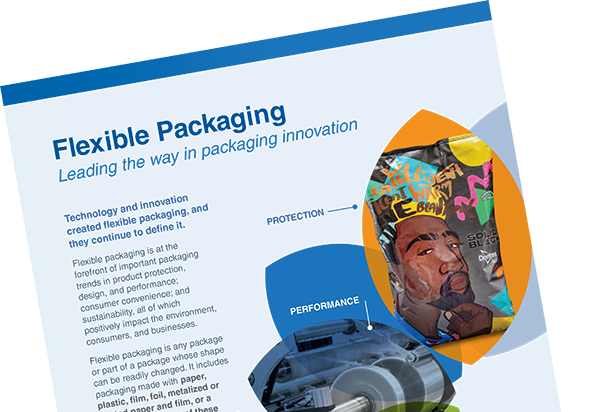
LEADING THE WAY IN PACKAGING INNOVATION
Technology and innovation created flexible packaging, and they continue to define it. This tri-fold details flexible packaging and its role at the forefront of key packaging trends, including product protection, design and performance, consumer convenience, and sustainability.
Flexible Packaging Extends Shelf Life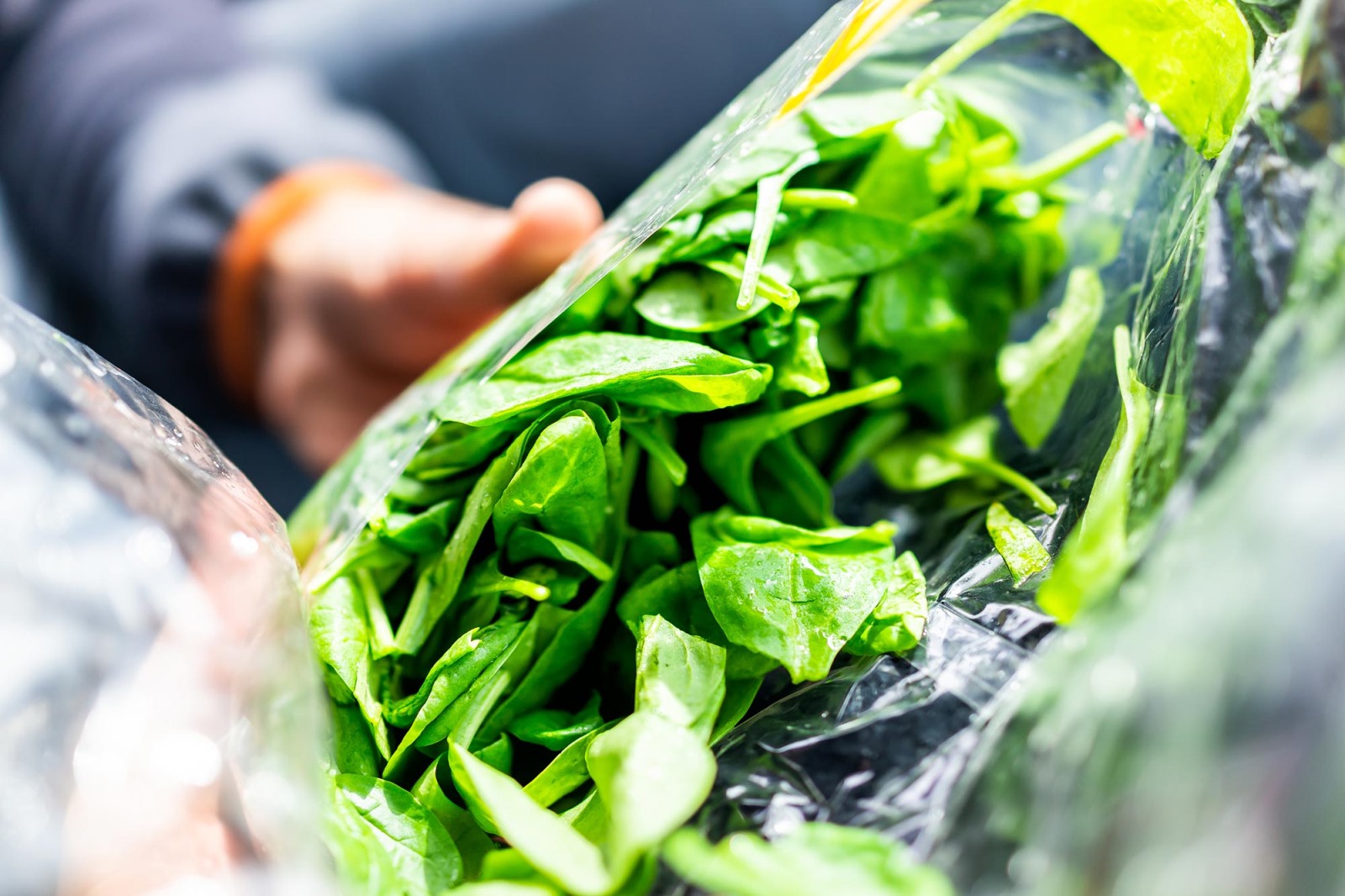
Flexible packaging maintains and indicates the freshness for the products it protects. In fact, flexible packaging extends the shelf life of many products, especially food, and has a positive sustainability profile.
 Consumer Convenience is in the Bag
Flexible packaging is lightweight, making it easy to transport and store at home. The many re-closure and dispensing options make it easy to open, carry, store, and re-seal.
Less Waste in the First Place®
Flexible packaging requires less water and energy to manufacture and transport, and generates small quantities of greenhouse gases on its way to market. Thanks to its efficiency in product to package ratios, flexible packaging ultimately results in less consumer waste being sent to landfills.
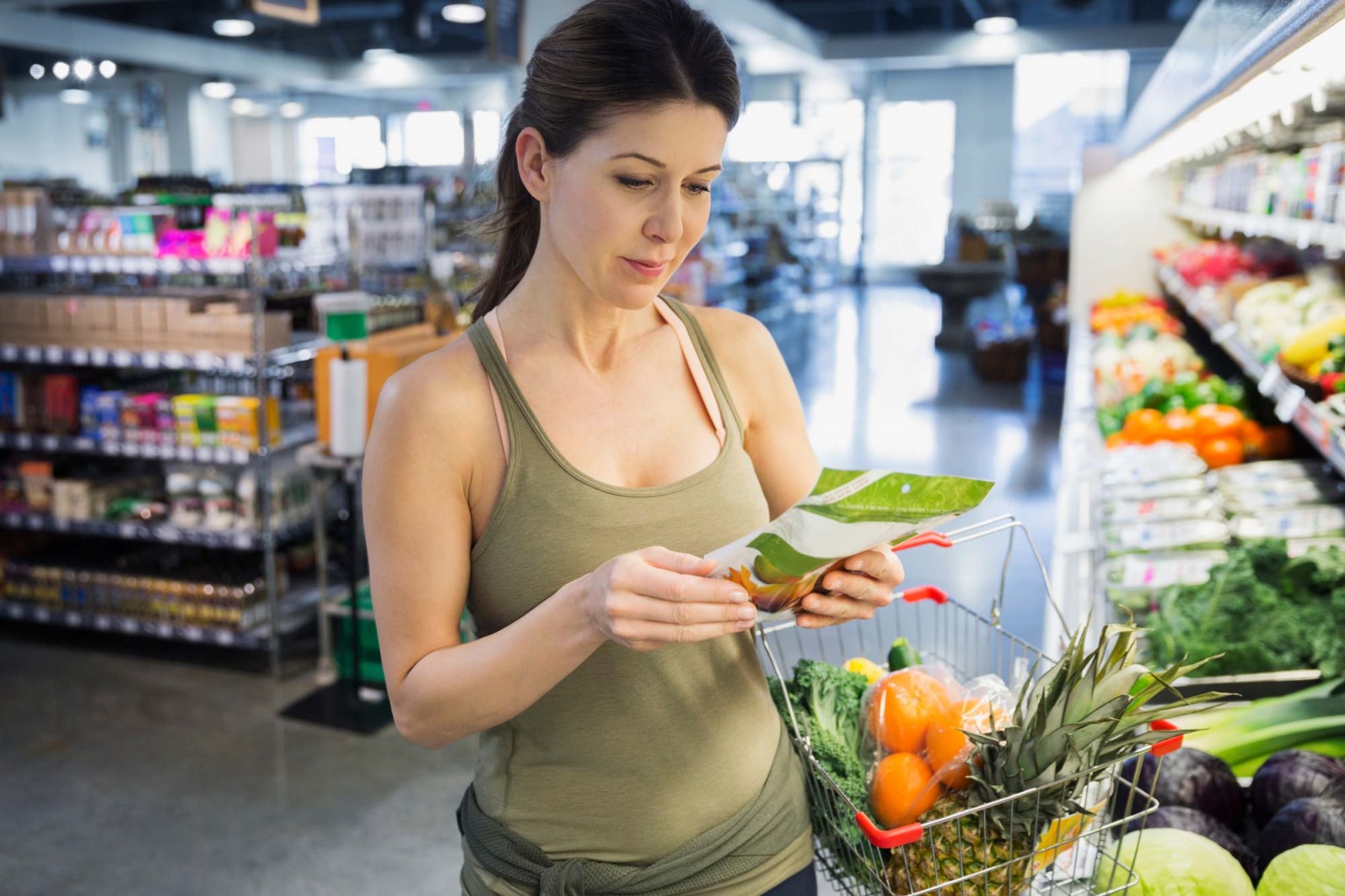 Flexible Packaging Creates Shelf Appeal
Flexible packaging enables the visibility of its contents, driving shelf appeal and instilling consumer confidence at the point of purchase. Additionally, it is widely extendable into diverse product categories, creating shelf appeal in various retail environments.